Software AI is saturated.
Physical AI is the frontier.

"Bridging the physical AI gap requires more than code. It demands a hands-on environment where algorithms move from simulation to reality—learning through trial, error, and physical interaction."

Get started

01. The Hardware

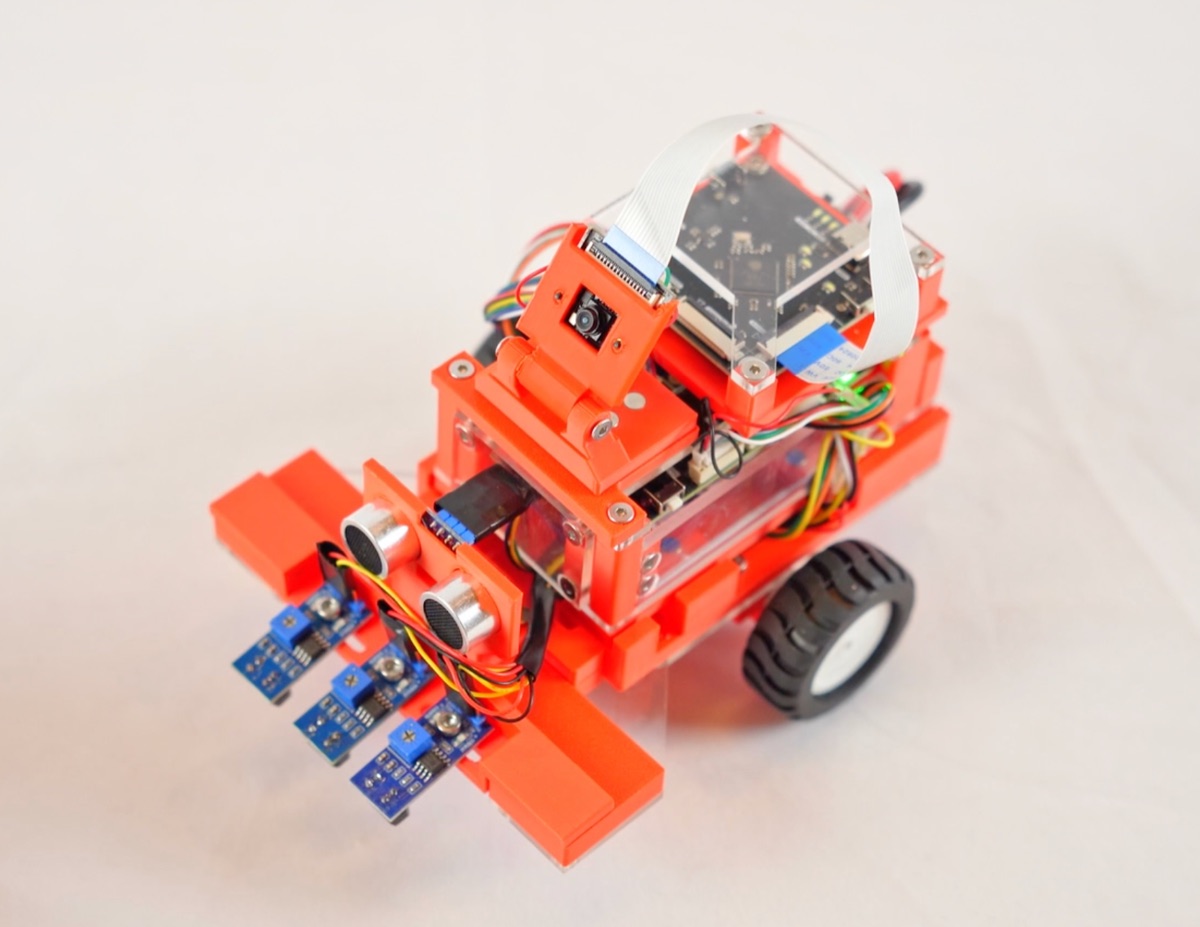
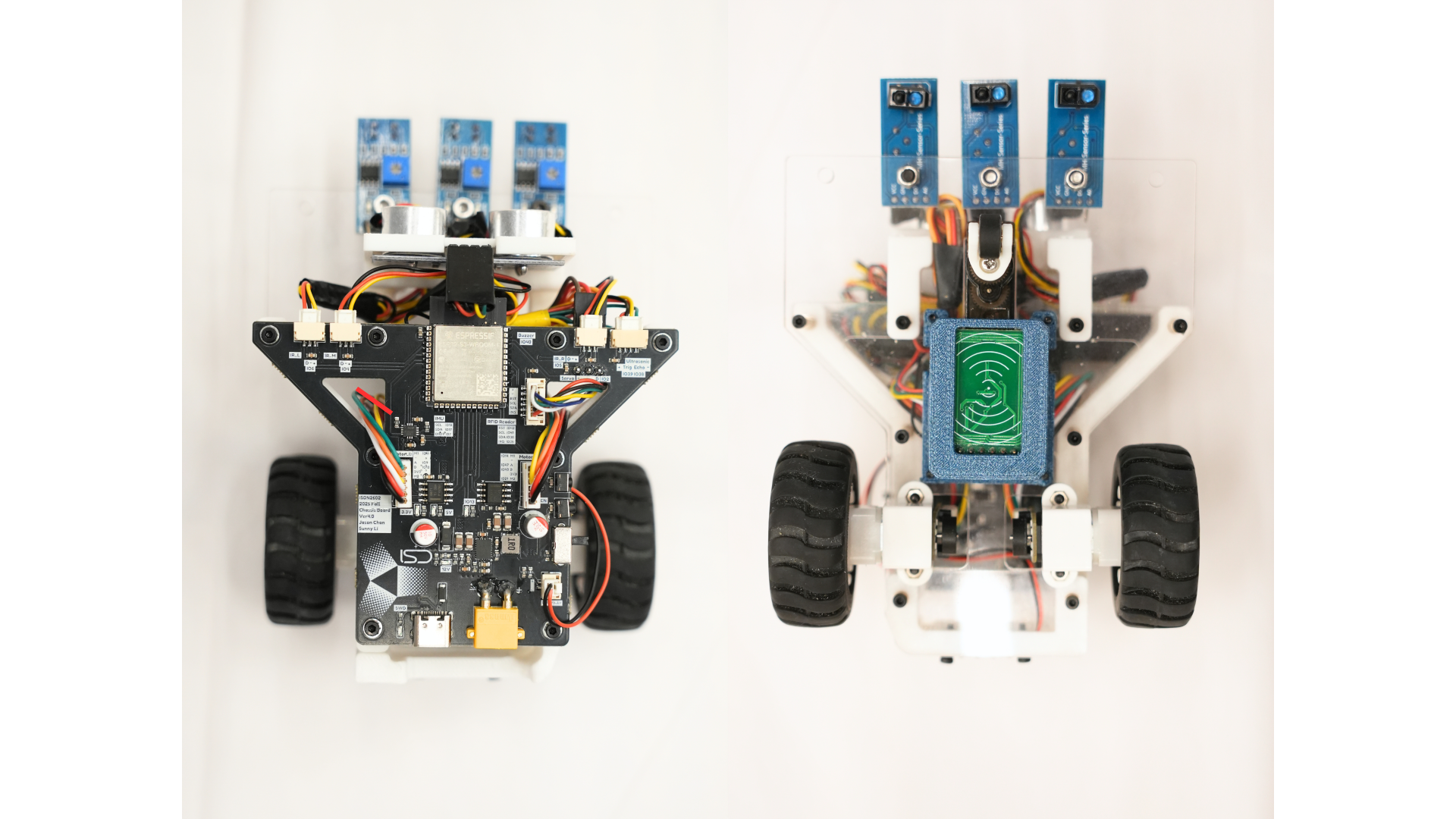
AIoT Smart Car System

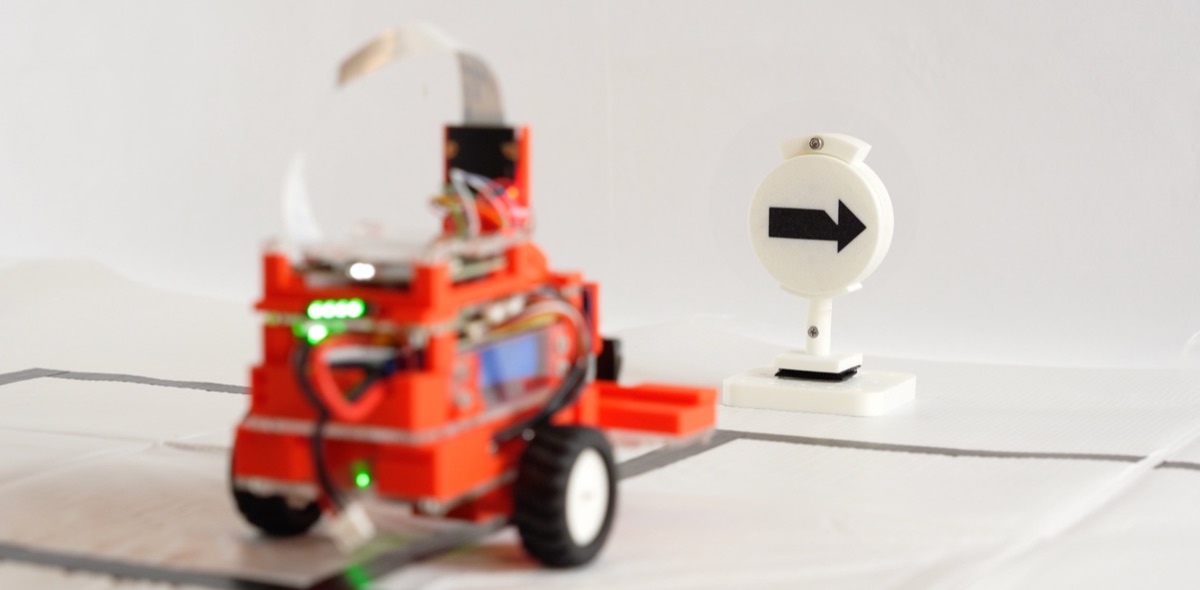
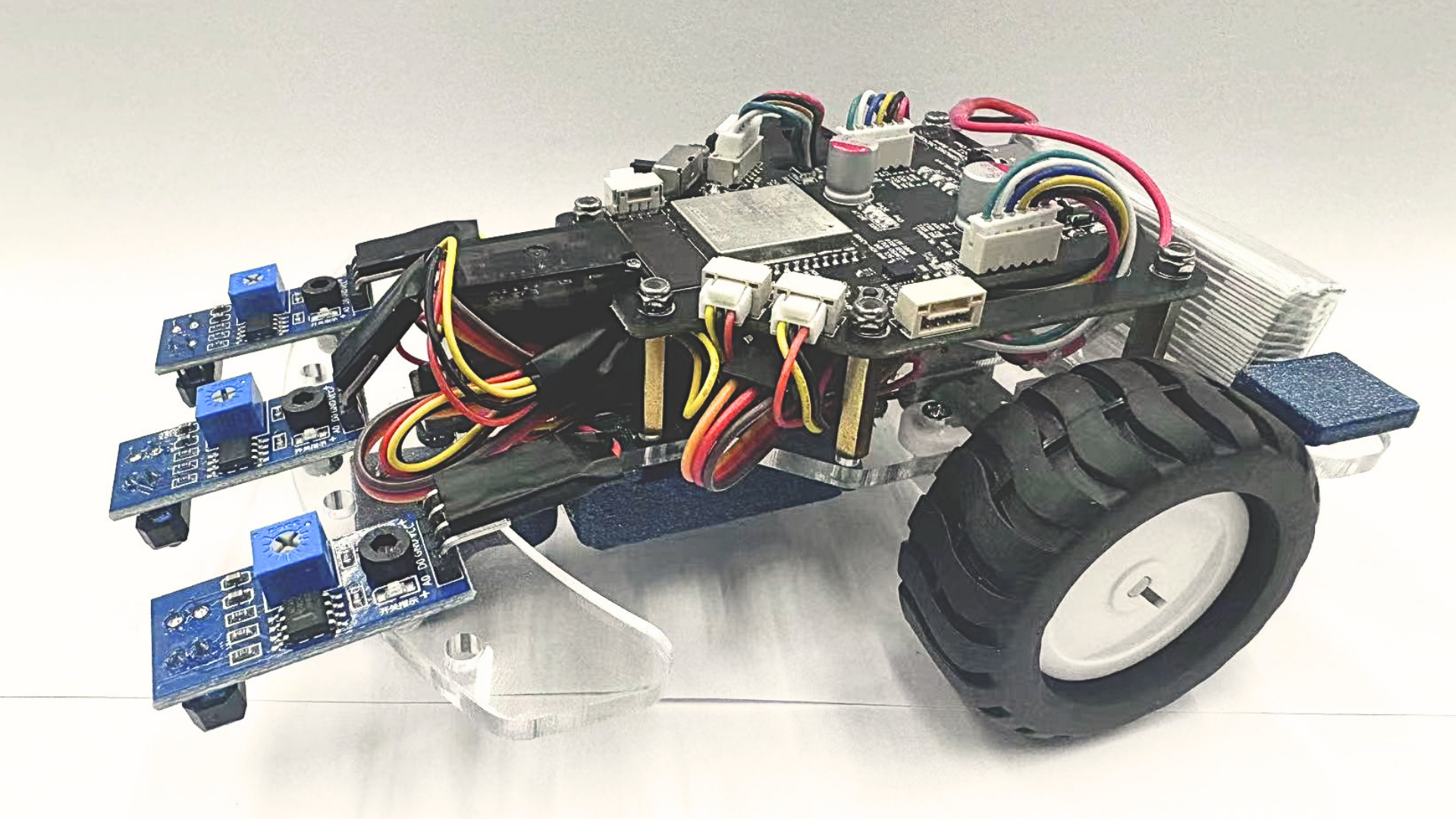
A high-performance robotic platform designed to interact with its environment using on-board MCU processing. Featuring a magnetic modular system, it allows for effortless hardware swapping. The system offers a wide selection of interchangeable sensing and output modules, alongside an integrated web-camera and microphone for real-time Edge AI applications.

Sensing Modules

  • IR Sensing Module
  • Ultrasonic Sensor
  • IMU (Motion/Gyro)
  • RFID Reader

Output Modules

  • LCD Display Screen
  • Active Buzzer
  • Web-Camera
  • Microphone

...and more modules coming soon!

Modular AIoT Smart Car with magnetic sensor attachments.
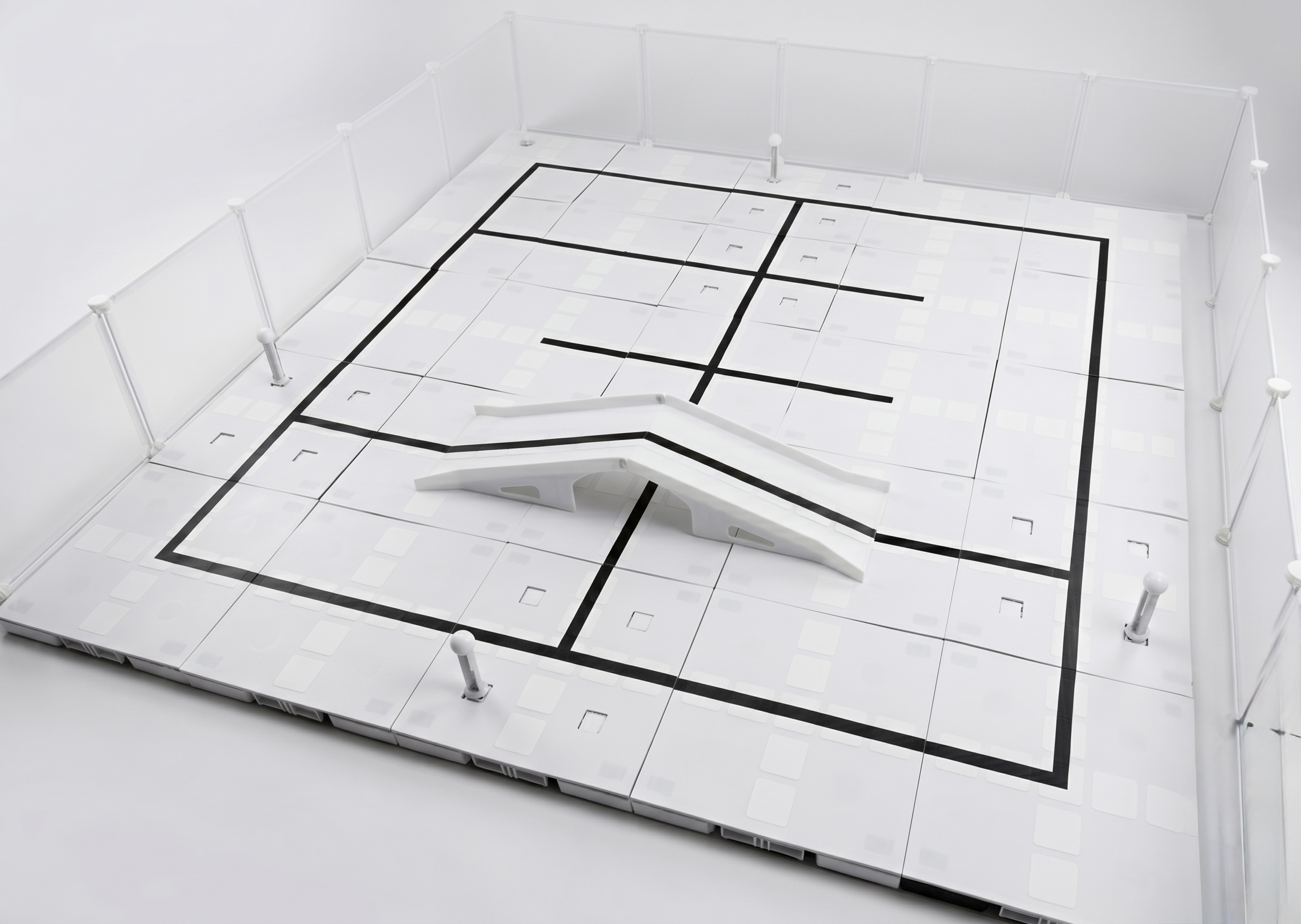
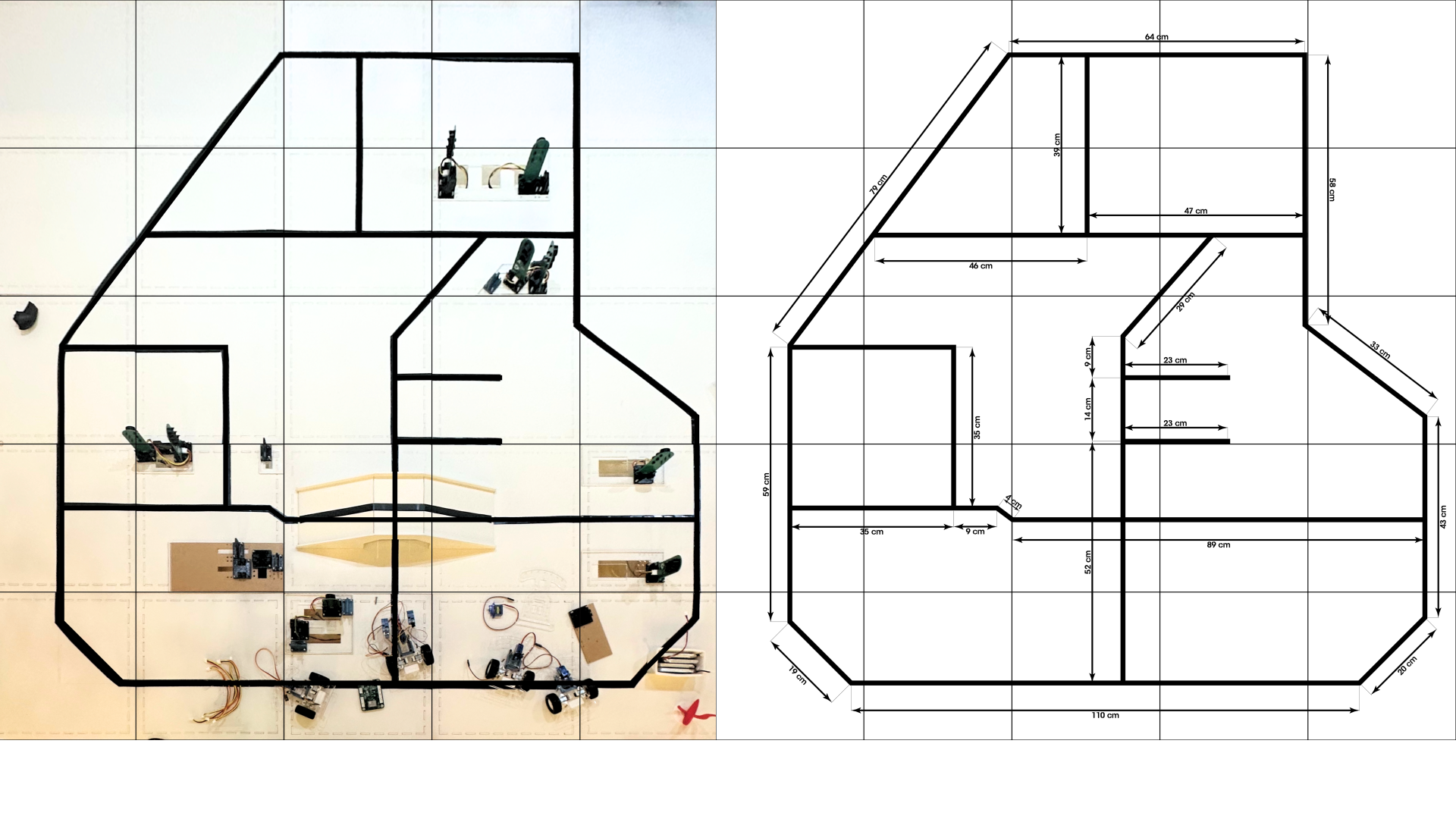
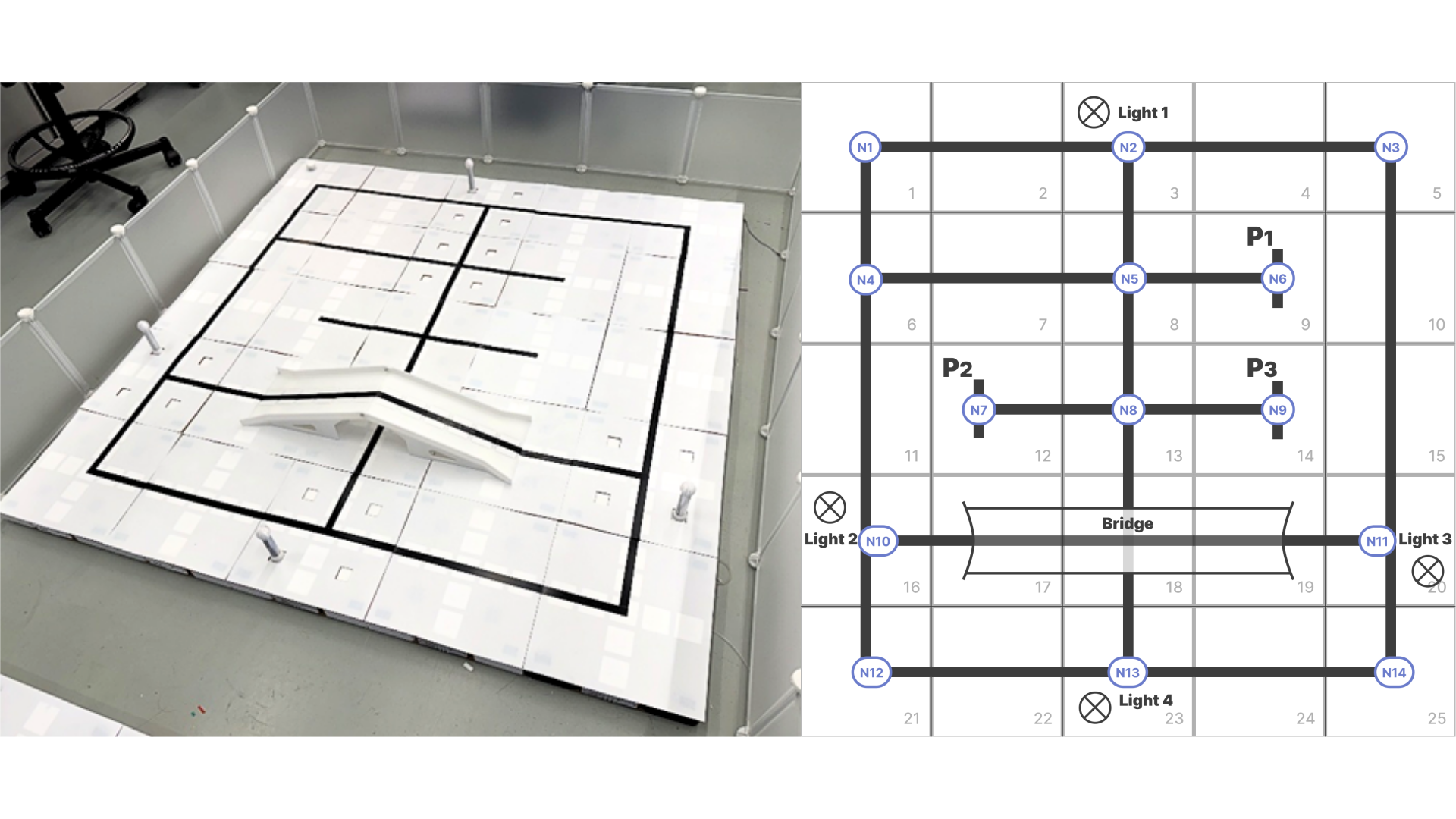
Interactive playfield with smart tiles and sensory objects.

02. The Environment

Physical Interactive Playfield

An interactive playfield is an essential part of the system that provide real-time feedback to the car based on different environmental settings. This ecosystem uses integrated tracking and customizable obstacles to bridge the gap between digital logic and physical results.

Interactive Features

  • Integrated RFID Tags
  • Ground-Truth Sensors
  • Tile-to-Car Feedback
  • Smart LED Traffic Lights

Sensing Applications

  • Dynamic Object Detection
  • Navigation Challenges
  • Obstacle Avoidance
  • Traffic Management

Place different objects based on the specific needs of your task.

03. The Intelligence

Smart Teacher Dashboard

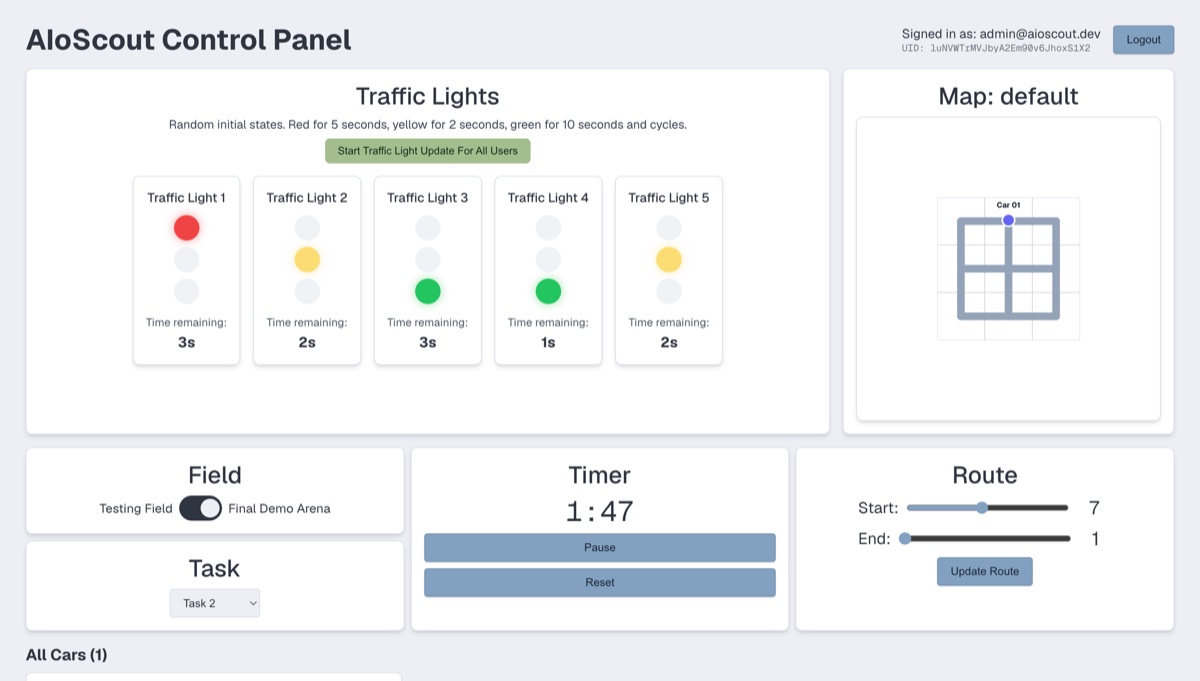
We offer a solution that extends beyond local computing and reactive sensing. Our system forms a cohesive IoT network across multiple devices, controlled through a centralized dashboard.

Instead of managing a single device, users can perform high-level control of the entire network. The dashboard visualizes live conditions on the playfield, enabling advanced operations such as global traffic flow control and real-time environment synchronization.

Network Control

  • Multi-Device Fleet Management
  • High-Level Network Logic
  • Remote Device Overrides
  • Real-Time Telemetry Data

Live Monitoring

  • Visual Playfield Map
  • Traffic Flow Regulation
  • Environmental Sync Status
  • Student Progress Tracking

Experience full-scale system coordination through a single web interface.

Teacher Dashboard interface showing multiple car statuses and traffic control settings.
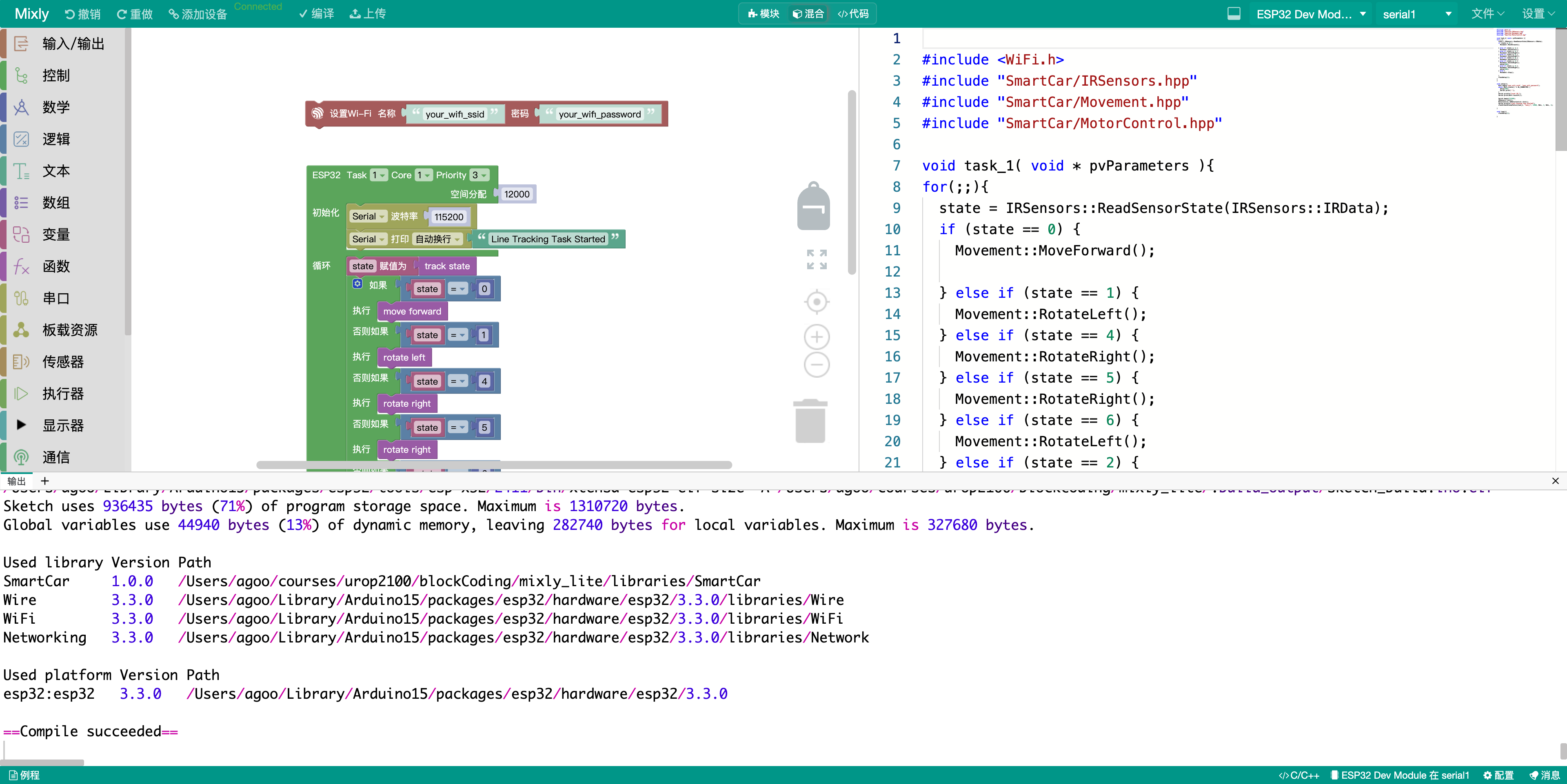
Visual block coding interface for the AIoT car.

Key Feature: Learning

User-Friendly Block Coding

Skip the syntax errors and focus on the logic. We utilize intuitive block-based programming instead of traditional line coding, significantly reducing the learning curve. This allows students to learn computational thinking in a visual, interactive way that provides instant physical feedback.

  • Drag-and-drop logic blocks
  • No Python/C++ installation required
  • Real-time code execution

Key Feature: Environment

Reactive Smart Game Field

Our Smart Game Field isn't just a track; it's a real-time ecosystem. Using a dedicated tile server, the field provides constant data to the car, allowing it to "sense" the environment and interact with external elements like traffic lights and neighboring tiles.

  • Automated traffic reconciliation
  • Live environment data streaming
  • Dynamic path-planning challenges
Teacher dashboard displaying multiple student device statuses.

Key Feature: Management

Advanced Classroom Insights

The Smart Teacher Board empowers educators to oversee the entire classroom at once. Monitor multiple device statuses and track student progress in real-time, enabling you to adjust difficulty levels or troubleshoot issues instantly to enhance the collective learning experience.

  • Live telemetry for every student kit
  • Fleet management & remote reset
  • Performance analytics dashboard

Learning Outcomes

Mastering the Physical AI Line

Technical Competencies

  • Embedded Systems: Programming MCUs for real-time hardware control.
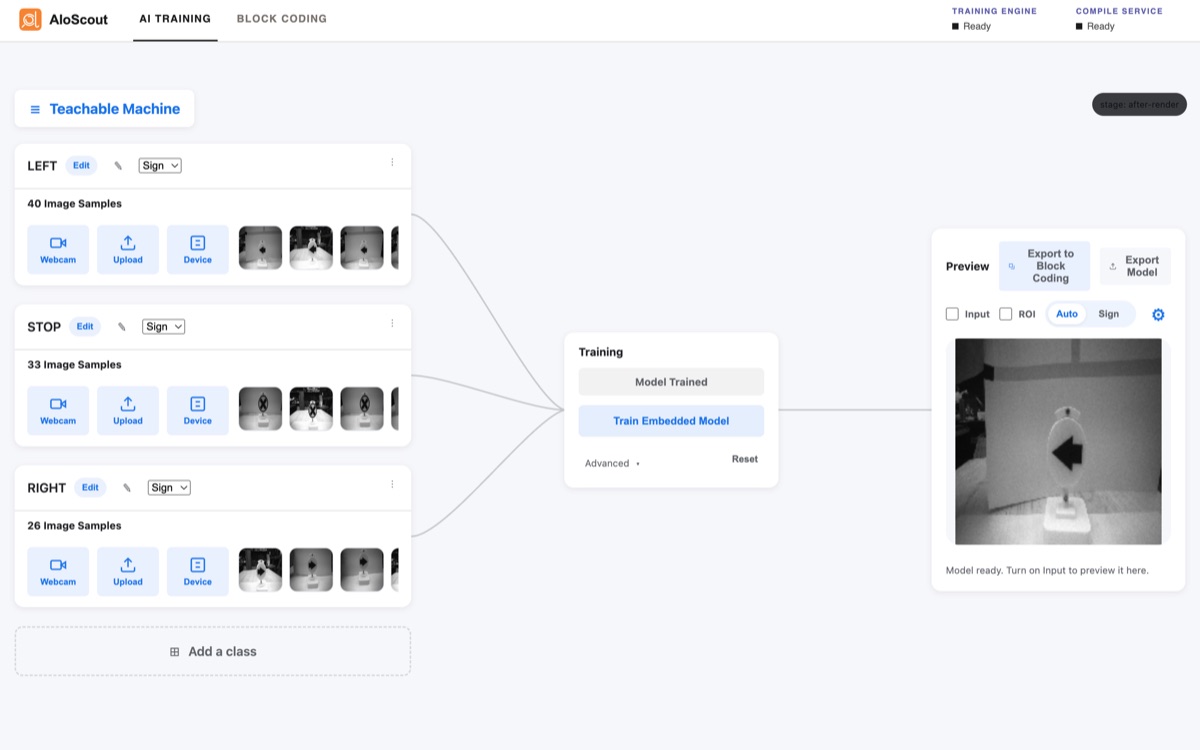
  • Edge AI: Deploying vision and audio models for local inference.
  • Kinematics: Understanding differential drive and PID control loops.

The Physical AI Bridge

  • Data to Action: Translating sensor telemetry into mechanical movement.
  • Network Orchestration: Managing a multi-device IoT ecosystem via a live dashboard.

Built for the Classroom

Junior Form

  1. 01.

    Introduction to Robotics

    Master differential drive mechanics using intuitive block coding to translate logic into physical movement.

  2. 02.

    Sensing the World

    Enable autonomous interaction through ultrasonic and IR sensors, introducing fundamental IoT logic.

  3. 03.

    Visual Perception

    Introduction to Computer Vision by implementing Edge-AI models for basic road sign and color detection.
Senior Form

  1. 01.

    Advanced Control Systems

    Implement PID control loops to manage mechanical error and ensure industrial-grade precision navigation.

  2. 02.

    Sensor Fusion & IoT

    Combine telemetry from vision and IMU sensors into a live dashboard for predictive system modeling.

  3. 03.

    Self-Driving Capstone

    Integrate path-planning and vision systems to navigate a dynamic game field with zero manual intervention.

Proven in the Classroom

Pilot Phase: 2024 – 2026

Validated in Higher Education

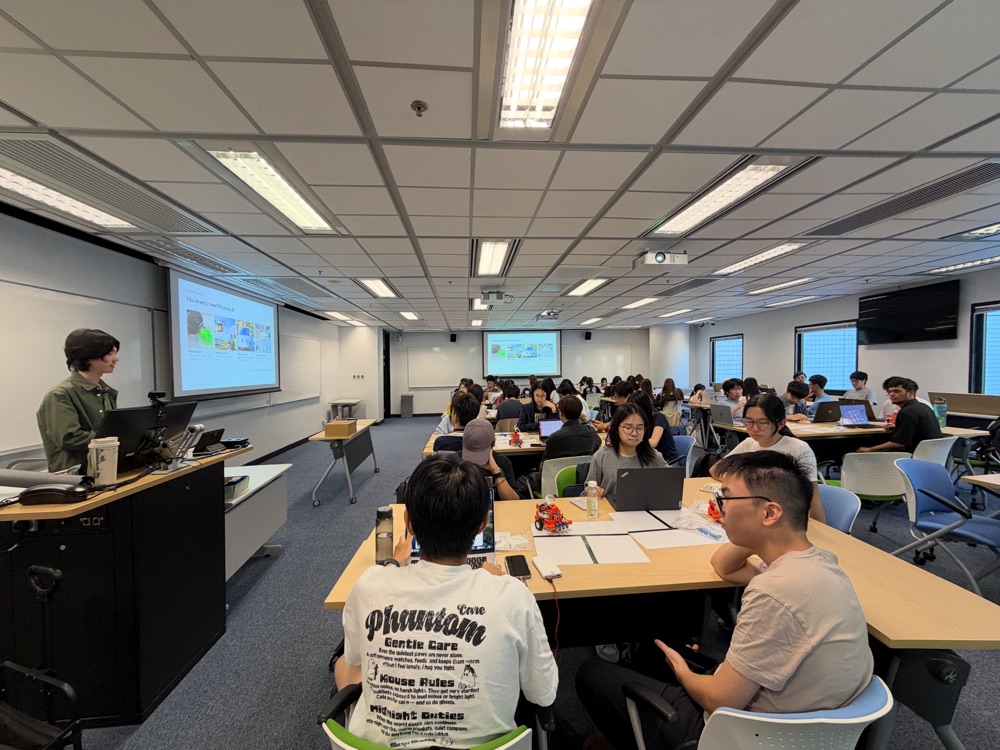
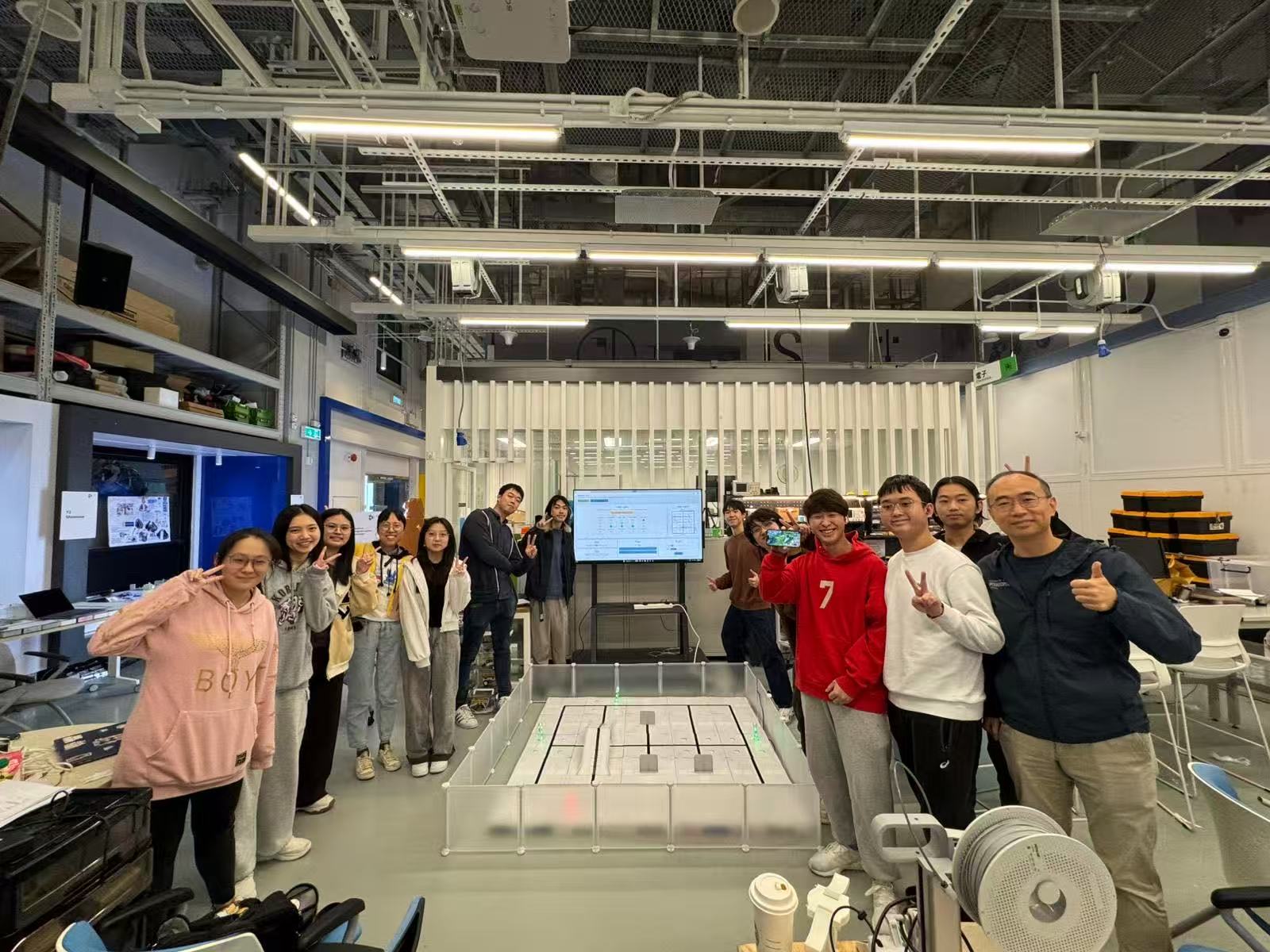
For the past two years, our AIoT ecosystem has served as the core curriculum and final project material for a leading UG course in HK. Through this rigorous academic environment, our previous generation of smart cars and playfields were tested by over 100+ students.

This concept has been proven to provide a superior interactive learning experience, bridging the gap between design theory and technical implementation. Following this success, we are now evolving and extending this platform specifically for secondary school STEAM education.

Technical Documentation
Students testing the prototype in a HK UG course.
Previous iteration deployment in HK UG Course

Sustainability and Scale

Hardware Acquisition

Schools purchase the physical ecosystem (Car Kits, Game Fields) once.

Platform Subscription

Ongoing access to the AI Dashboard and telemetry tools.

Content Ecosystem

On-demand purchase of specialized courses and teaching packages.

Development and Capstone Progress

A look at our journey from university prototypes to the current AIoT ecosystem.

Development Trajectory

  1. Phase 01: 2024 Q2

    Academic Validation & Pilot

    The first version of our AIoT prototype was designed and successfully deployed in an undergraduate course in Hong Kong for rigorous hardware testing and pedagogical verification.

  2. Phase 02: 2024 - 2025

    Extended Pilot Program

    Conducting second and third rounds of pilot programs across various educational settings to refine the user interface and hardware durability based on student "trial and error."

  3. Phase 03: 2025 Q3 – Ongoing

    Commercial R&D & Integration

    Developing an improved, integrated version of the entire system. This phase focuses on hardware refinement, seamless IoT connectivity, and finalizing the Smart Teacher Dashboard.

  4. Launch: 2026 Q3

    Commercial Deployment

    Full-scale market launch featuring commercial-grade packaging, ready-to-use teaching materials, and a complete interactive wiki for global STEAM classrooms.

About Us

CHAN Ming Chun, Jason

Founder | Hardware Engineering Lead

An electronic and robotic engineer specializing in the structural and circuit design of high-performance systems. As the former Captain of the RoboMaster Team ENTERPRIZE, he brings elite competitive robotics experience to the R&D process, overseeing the mechanical and electronic integration of the AIoT ecosystem.

ZHANG Yunxin, Vicky

Co-Founder | Software Engineering Lead

An HKUST Integrative Systems and Design (ISD) student specializing in full-stack architecture and systems engineering. As the Lead Software Developer, she engineered the frontend and backend framework for the AIoT ecosystem. She is driven by a mission to make high-end technology accessible to the next generation of engineers through intuitive, high-performance educational kits.

Prof. SONG Sheunghui

Technical Consultant

Dr. S.H. Song is now an Associate Professor jointly appointed by the Division of Integrative Systems and Design (ISD) and the Department of Electronic and Computer Engineering (ECE) at the Hong Kong University of Science and Technology (HKUST). He interested in the research on Engineering Education and served as an Associate Editor for the IEEE Transactions on Education.

Academic Profile